 how-to
How Often to Replace Turntable Stylus: A Practical Guide
Table of Contents
- How Long Does a Turntable Stylus Last
- Signs of a Worn Stylus to Watch For
- How to Clean a Turntable Stylus and Extend Its Life
- Stylus vs Cartridge Replacement: What You Need to Know
- Tracking Force, Alignment, and Setup Problems That Mimic Wear
- How to Replace Your Stylus Safely and Verify Compatibility
- Frequently Asked Questions
Last Updated: October 13, 2026
How Long Does a Turntable Stylus Last
A turntable stylus typically lasts between 500 and 2,000 playing hours before you need to replace turntable stylus. The exact lifespan depends on several factors, including the stylus profile, material quality, and how often you use your turntable. Most vinyl enthusiasts find they need to replace their stylus every 1 to 3 years with regular listening habits.
The lifespan of your stylus is measured in playing hours, not calendar time. This means a casual listener might get several years from a single stylus, while someone who plays records daily could need a replacement within months. Understanding this distinction helps you plan maintenance and avoid unnecessary replacements or, worse, damage to your vinyl collection.
At Chiltern Audio, we often explain that stylus replacement is one of the most important maintenance tasks for turntable owners. A worn stylus doesn't just sound worse, it actively damages your records with each play, creating microscopic grooves that accumulate over time.
Conical vs Elliptical Stylus Lifespan
Conical stylus tips are the most common and affordable option. They typically last around 500 to 1,000 playing hours. The rounded cone shape contacts the record groove at a wider surface area, which means faster wear but also simpler manufacturing and lower cost.
Elliptical stylus tips have a more precise contact point with the record groove. They last significantly longer, often 1,500 to 2,000 playing hours or more. The elliptical shape tracks the groove more accurately, which reduces friction and extends the lifespan. Many audiophiles prefer elliptical styluses for this reason, despite the higher price.
Diamond-tipped styli are the standard across both profiles. Diamond is extremely hard and resists wear better than sapphire or other materials. If you see a stylus advertised with a different material, it's likely a budget option that won't last as long. When shopping for replacements, always check whether the stylus has a diamond tip and what profile matches your cartridge.
Impact of Listening Habits on Replacement Timing
How you use your turntable directly affects stylus lifespan. Daily listening for several hours means your stylus wears faster than occasional weekend listening. Track the hours you actually play records, this is more useful than tracking calendar months.
Heavy dust and debris on your records accelerates stylus wear. Each particle of dust acts like an abrasive, grinding against the stylus tip. Keeping your records clean and your stylus clean extends lifespan significantly. Many turntable owners underestimate how much difference proper cleaning makes.
Your tracking force settings also influence wear rate. Excessive tracking force, the downward pressure of the stylus on the record, causes faster wear and damages records more severely. Setting your tracking force correctly according to your cartridge's specifications helps preserve both your stylus and your vinyl.
Signs of a Worn Stylus to Watch For
A worn stylus produces audible changes before it fails completely. The most common warning sign is a loss of clarity in the high frequencies. Vocals and instruments sound duller, less detailed, or slightly muffled compared to what you remember hearing. This happens gradually, so compare how a familiar record sounds now versus how it sounded months ago.
Record skipping or jumping is another clear indicator. If your stylus jumps out of the groove during playback, it's usually too worn to track properly. This also means the stylus is likely damaging your records with each play, so don't ignore this warning sign.
Audible Warning Signs During Playback
Increased distortion during quiet passages is an early warning. If background noise or crackling increases noticeably even on clean records, your stylus may be wearing. This happens because the worn tip no longer sits in the groove precisely, causing it to bounce slightly and pick up surface noise.
Loss of stereo separation indicates a worn stylus. Music that once sounded spacious and three-dimensional begins to sound flat and centered. This occurs because the elliptical stylus can no longer track both groove walls accurately, one side wears faster than the other.
A clicking or ticking sound that wasn't there before suggests the stylus is catching slightly as it moves through the groove. This is a sign that replacement is urgent. Continuing to play records with a clicking stylus will damage your vinyl collection.
Visual Inspection and What to Look For
Visual inspection requires magnification to be reliable. A loupe or jeweler's magnifier (10x magnification) lets you see the stylus tip clearly. Under magnification, a new stylus has a smooth, polished surface. A worn stylus shows visible flattening, scratches, or discoloration on the tip.
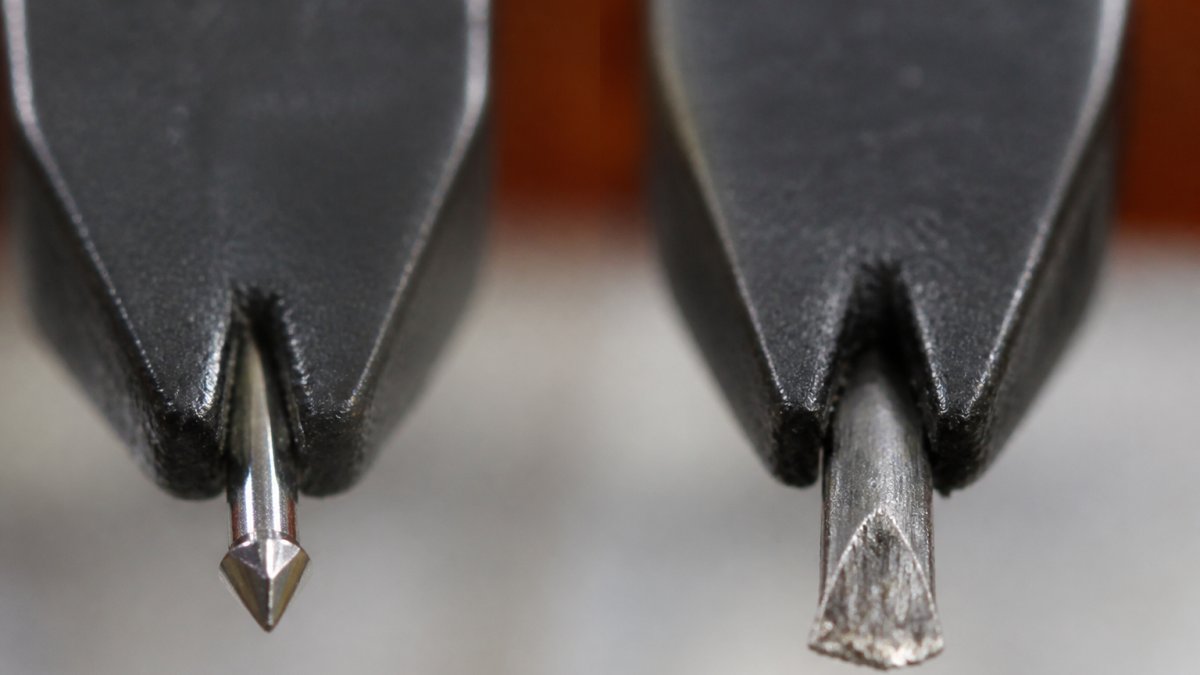
Never assume a stylus is fine just because it looks okay to the naked eye. Many worn styli look acceptable without magnification but show significant damage under magnification. Invest in a simple loupe, it costs very little and gives you reliable information.
Be cautious about drawing conclusions from visual inspection alone. Sometimes a stylus that looks worn under magnification still sounds acceptable, whilst a stylus that looks fine may actually be damaged in ways that affect sound quality.
How to Clean a Turntable Stylus and Extend Its Life
Regular stylus cleaning removes dust and debris that accelerate wear. Clean your stylus before each listening session, especially if your records sit in open storage. A soft-bristled stylus brush designed for turntables is the safest method.
Brush gently from back to front, in the direction the stylus moves through the record groove. Never brush side to side, as this can bend or damage the stylus tip. Most stylus brushes cost just a few pounds and are essential maintenance tools.
Regular Cleaning Techniques
A dedicated stylus cleaning brush is the standard approach. Wet brushes designed for styli are available, but dry brushing is effective and simpler. Brush the stylus gently before each play session. This takes 10 seconds and prevents dust accumulation.
Some turntable owners use compressed air to blow dust away from the stylus. This works but is less effective than brushing, since dust can resettle. Combine compressed air with gentle brushing for best results.
Never use water or solvents on your stylus unless the manufacturer explicitly recommends them. Most modern styli are damaged by liquid cleaners. Stick to dry brushing as your primary cleaning method.
Record Care to Reduce Stylus Wear
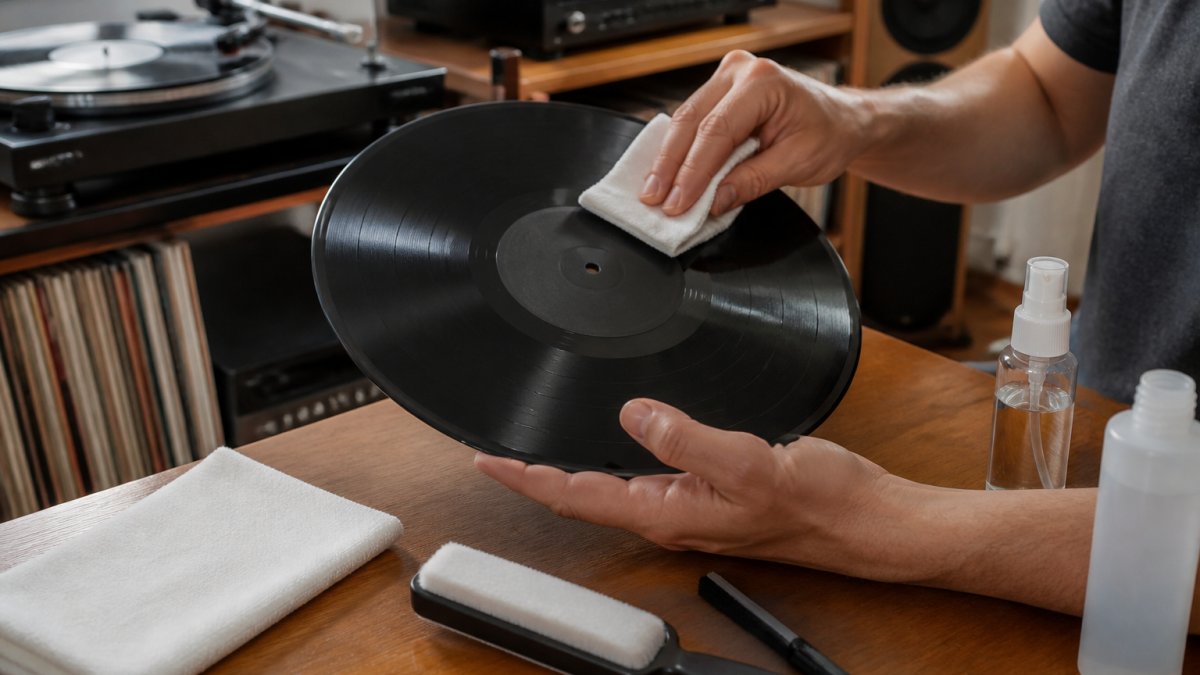
Clean your records before playing them. Dust particles on the record surface are the biggest cause of accelerated stylus wear. Use a record cleaning brush or invest in a record cleaning machine if you have a large collection.
Store records vertically in protective sleeves. Horizontal stacking puts pressure on the vinyl, which can warp it and increase surface dust. Vertical storage also makes it easier to spot dirty records before playing them.
Keep your turntable in a dust-free environment. A turntable cover protects against airborne dust when the turntable isn't in use. This simple step reduces the dust that settles on records and your stylus between listening sessions.
Handle records by the edges and the center label only. Touching the grooves with your fingers deposits oils and dust that accelerate stylus wear. Develop this habit early, it becomes automatic and protects your entire vinyl collection.
Stylus vs Cartridge Replacement: What You Need to Know
A stylus is the replaceable tip that contacts the record. A cartridge is the complete unit that holds the stylus and converts vibrations into electrical signals. Understanding this distinction prevents expensive mistakes.
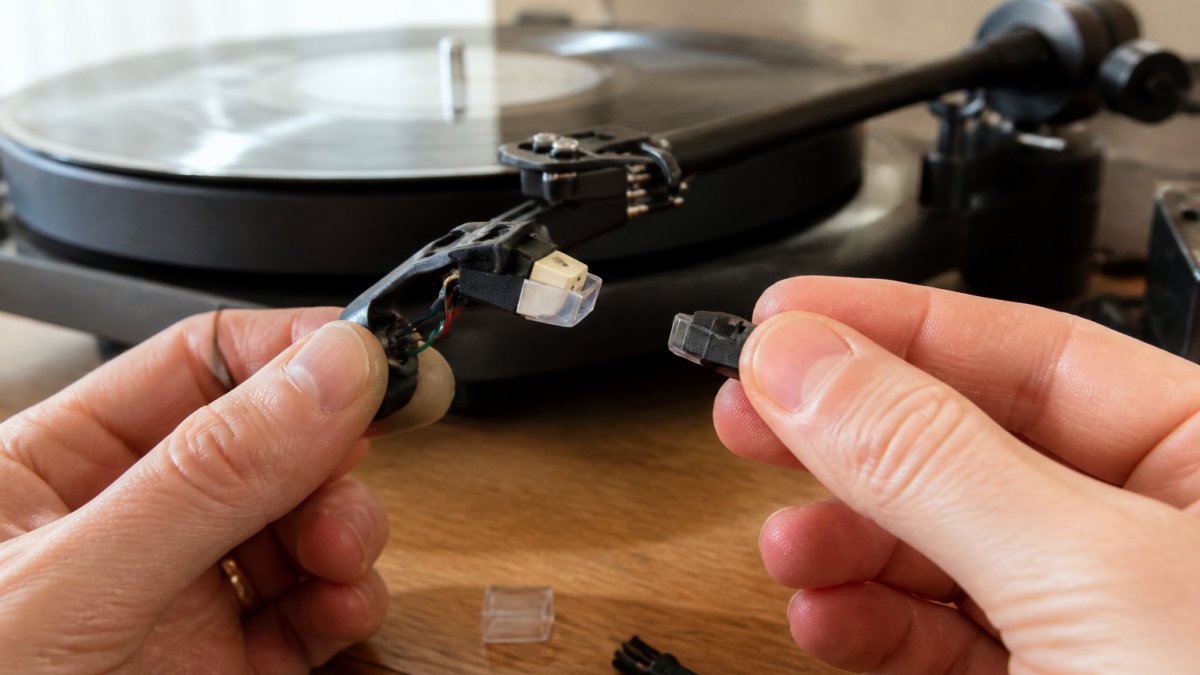
Most cartridges allow stylus replacement. You remove the worn stylus and insert a new one, a simple five-minute job. However, some cartridges are sealed or designed for single use. Check your cartridge documentation before assuming you can replace just the stylus.
Replacing only the stylus costs far less than replacing the entire cartridge. This is why stylus replacement is so important, it extends the life of your more expensive cartridge. A quality cartridge can last many years if you replace the stylus regularly.
If your cartridge is damaged or performing poorly, stylus replacement won't fix it. A damaged cartridge needs full replacement. However, most performance issues in aging turntables are caused by stylus wear, not cartridge failure.
Tracking Force, Alignment, and Setup Problems That Mimic Wear
Incorrect tracking force is one of the most common causes of poor sound that people mistake for stylus wear.
Check your cartridge's recommended tracking force in the manual. Most cartridges specify a range, for example, 1.5 to 2.0 grams. Use a tracking force scale to set this precisely.
Misalignment of the cartridge or tonearm can also mimic stylus wear. If the cartridge isn't perpendicular to the record, the stylus contacts the groove unevenly. One side of the elliptical tip wears faster, causing uneven sound degradation.
Anti-skate settings affect how the stylus sits in the groove. Incorrect anti-skate causes the stylus to drift toward the outer edge of the groove, increasing wear on one side. Adjust anti-skate according to your tonearm's specifications.
Before assuming your stylus is worn, verify that your tracking force, alignment, and anti-skate are correctly set. Many apparent stylus problems are actually setup issues that proper calibration fixes.
How to Replace Your Stylus Safely and Verify Compatibility
Stylus replacement is straightforward but requires attention to compatibility. Not all styli fit all cartridges. The stylus must match your specific cartridge model.
Find your cartridge's exact model number, it's usually printed on the cartridge body or in your turntable documentation. Search for replacement styli designed for that specific model.
Most styli that you replace turntable stylus insert vertically into the cartridge body and lock in place with a small clip or retaining ring.
Never force a stylus into place. If it doesn't insert smoothly, stop and verify you have the correct replacement.
After installation, check that the stylus is level and properly aligned. A stylus that sits at an angle will wear unevenly and damage records.
Test the replacement with a record you know well. Listen for improved clarity and detail in the high frequencies.
Keep your old stylus, it's useful for comparison if you ever question whether a new stylus is working properly.
Replacing your turntable stylus is one of the simplest maintenance tasks that delivers the biggest improvement in sound quality. Visit us to discuss your turntable setup and get expert guidance on maintaining your vinyl collection for years to come.
| Stylus Type | Typical Lifespan | Best For | Cost |
|---|---|---|---|
| Conical Diamond | 500-1,000 hours | Budget-conscious listeners | Lower |
| Elliptical Diamond | 1,500-2,000+ hours | Audiophiles and frequent listeners | Higher |
| Sapphire Tip | 300-500 hours | Temporary or emergency use | Very Low |
Frequently Asked Questions
How do you know when to replace your stylus?
Replace your stylus when you notice muffled sound, increased distortion, record skipping, or visible wear under magnification. Most diamond-tipped styli last 500-1000 playing hours, depending on the profile (conical or elliptical) and your listening habits. Track your usage or inspect the stylus every 6-12 months. A worn stylus damages vinyl records by grinding into grooves, so timely replacement protects your collection.
Should I replace the cartridge or just the stylus?
Many turntable cartridges use replaceable styli, so you can swap the needle without replacing the entire cartridge body. However, some high-end cartridges are designed as sealed units. Check your manufacturer guidance or contact a specialist dealer for your specific model. Replacing just the stylus is usually more affordable and environmentally sensible than replacing the cartridge.
Can a worn stylus damage vinyl records?
Yes. A worn stylus has a larger contact area and increased tracking force, which causes it to grind into record grooves rather than ride smoothly through them. This accelerates record wear, introduces distortion, and can permanently damage your vinyl. Replacing a worn stylus promptly protects your record collection from preventable damage.
What does a worn turntable stylus sound like?
A worn stylus produces muffled, muddy sound with reduced audio clarity and increased distortion. You may hear crackling, popping, or a general loss of fidelity. Some listeners notice the stylus skipping or jumping on certain records, or tracking force problems that cause the needle to bounce. These are signs that replacement is overdue.