 ultimate-guide
UK HiFi Store Guide: Build a Better System in 2026
Table of Contents
- Why a Specialist UK HiFi Store Beats Buying Blind Online
- How to Choose the Right HiFi Store for Your Needs
- Hifi Demonstration Services: What to Expect and Why They Matter
- Upgrading Existing Hifi Systems: A Practical Roadmap
- Audiophile Sound Optimization Tips for Any Room
- Digital vs Analogue: Matching Your Listening Habits to the Right Setup
- What a Good UK HiFi Store Does Differently
- Frequently Asked Questions
Last Updated: September 27, 2026
Why a Specialist UK HiFi Store Beats Buying Blind Online
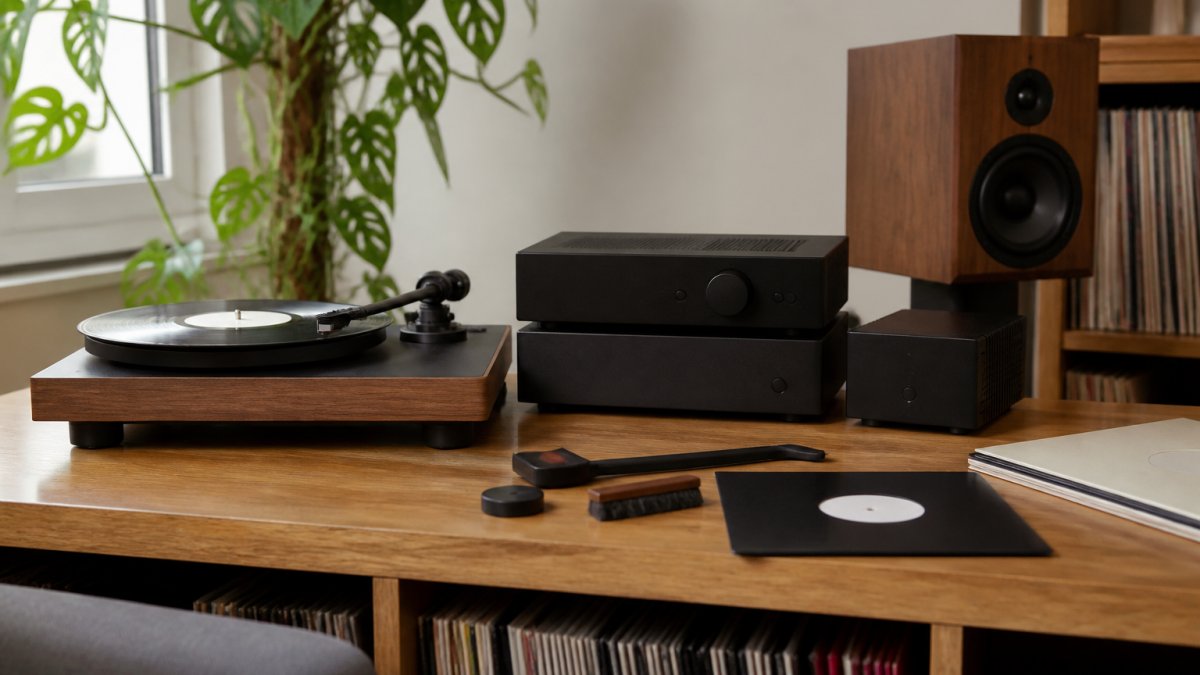
A specialist UK hifi store gives you something a marketplace listing never can: the chance to hear a system before you commit, matched to the room it will actually live in. At Chiltern Audio, we provide expert guidance and personalised hifi demonstrations to help you build the perfect audio setup or enhance your existing system.
Buying high-fidelity audio blind is a gamble. You're guessing at component matching, room interaction, and whether a warm-sounding amplifier will flatter a bright pair of speakers or fight them. That's before you get to the practical stuff: returns, warranty support, and who actually helps you when something goes wrong. These same considerations regarding synergy and long-term reliability become even more critical when integrating complex high-end home theater components into a shared living space.
A dedicated dealer removes most of that guesswork. You get expert guidance, a proper demonstration, and a system built around your ears and your space rather than a spec sheet. The UK government's guidance on consumer rights when buying goods protects you either way, but it can't tell you whether a turntable will sing in your front room.
How to Choose the Right HiFi Store for Your Needs
The best hifi store for you is the one that asks about your room, your music, and your budget before it ever mentions a product. If a dealer leads with a brand name instead of a question, walk away.
- They demonstrate, not just sell. A real listening room matters more than a glossy showroom.
- They stock brands they can service. Ongoing support beats a one-off discount.
- They explain in plain English. You shouldn't need a glossary to buy an amplifier.
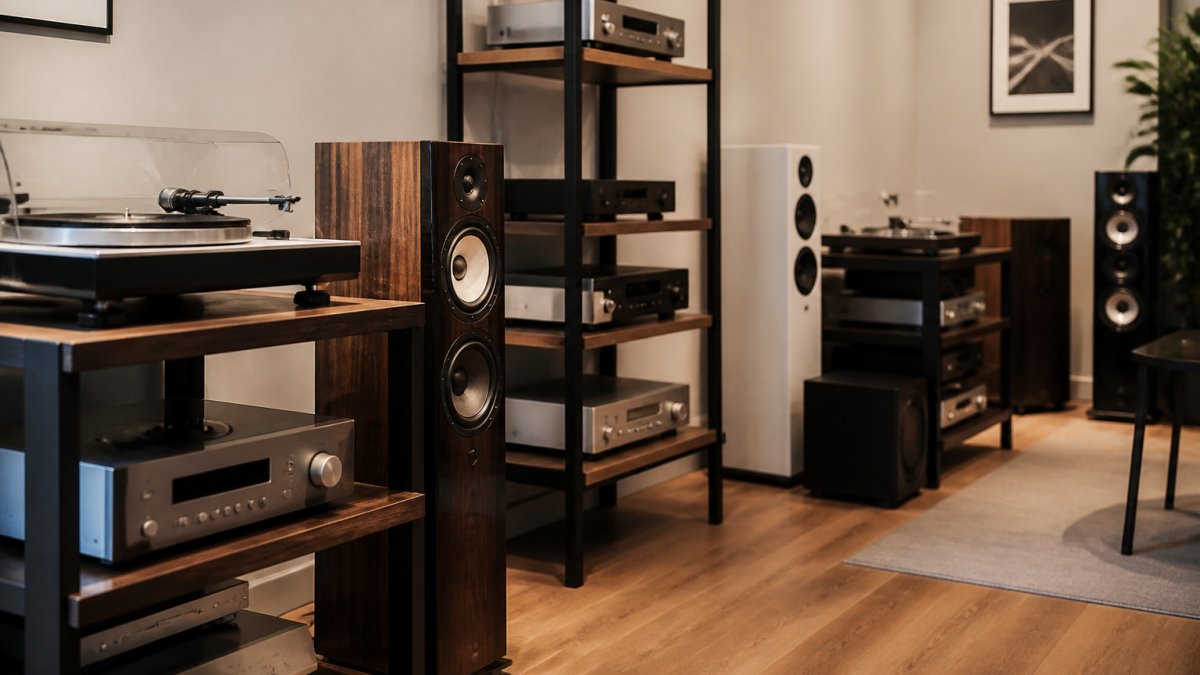
- They match components. An integrated amplifier and speakers should be chosen together, not in isolation.
- They handle the practicalities. Delivery, setup, and aftercare all count.
Hifi Demonstration Services: What to Expect and Why They Matter
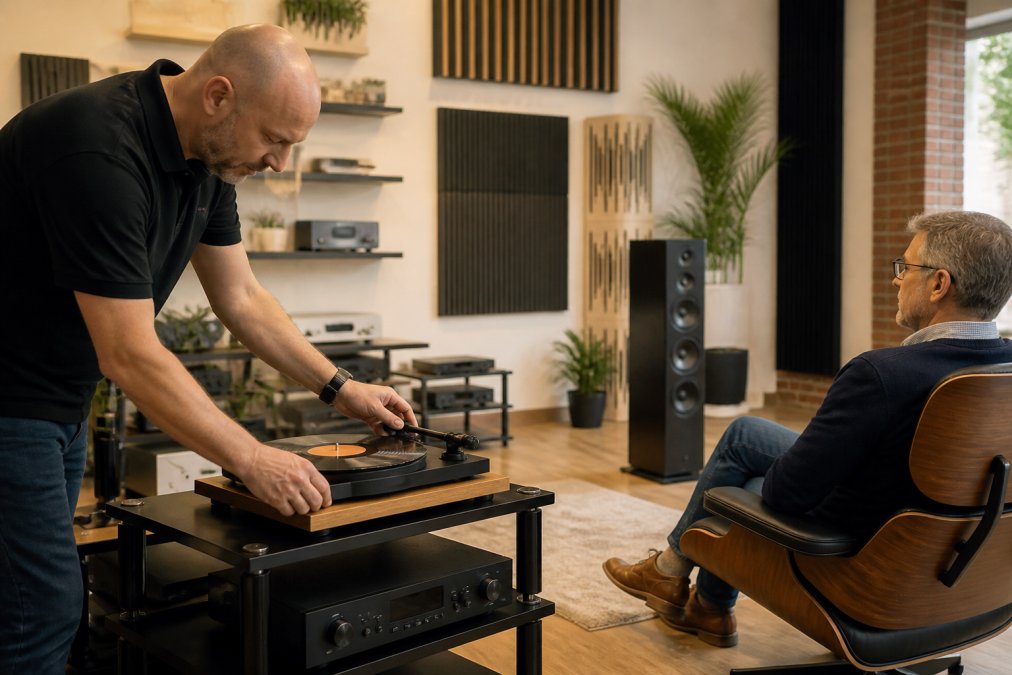
Hifi demonstration services let you hear equipment in a controlled, well-treated room before you buy. Expect to sit with your own music, compare two or three setups, and get honest guidance on what actually changes the sound.
Upgrading Existing Hifi Systems: A Practical Roadmap
Upgrading existing hifi systems works best when you change one link in the chain at a time and listen before moving on. Chasing several upgrades at once makes it impossible to tell what improved and what just sounded different, and it makes it far harder to return a component that didn't earn its place.
A sensible order looks like this:
| Stage | What to Change | Why It Comes First | Typical Share of Budget |
|---|---|---|---|
| 1 | Source (turntable or streamer) | Garbage in, garbage out | 20-25% |
| 2 | Amplifier | Sets the system's character | 20-25% |
| 3 | Speakers | Biggest single change to sound | 30-40% |
| 4 | Cables and interconnects | Fine-tuning, not fixing | 5-10% |
| 5 | Room treatment | Unlocks what you already own | 5-15% |
Where the money actually goes furthest
The single biggest return on investment often sits at the two ends of the chain: the source and the speakers. A weak turntable cartridge or a poorly implemented digital-to-analogue converter will cap the whole system, no matter how good the amplifier is. Equally, no amplifier can make a small standmount speaker fill a large room with deep, controlled bass.
A worked example
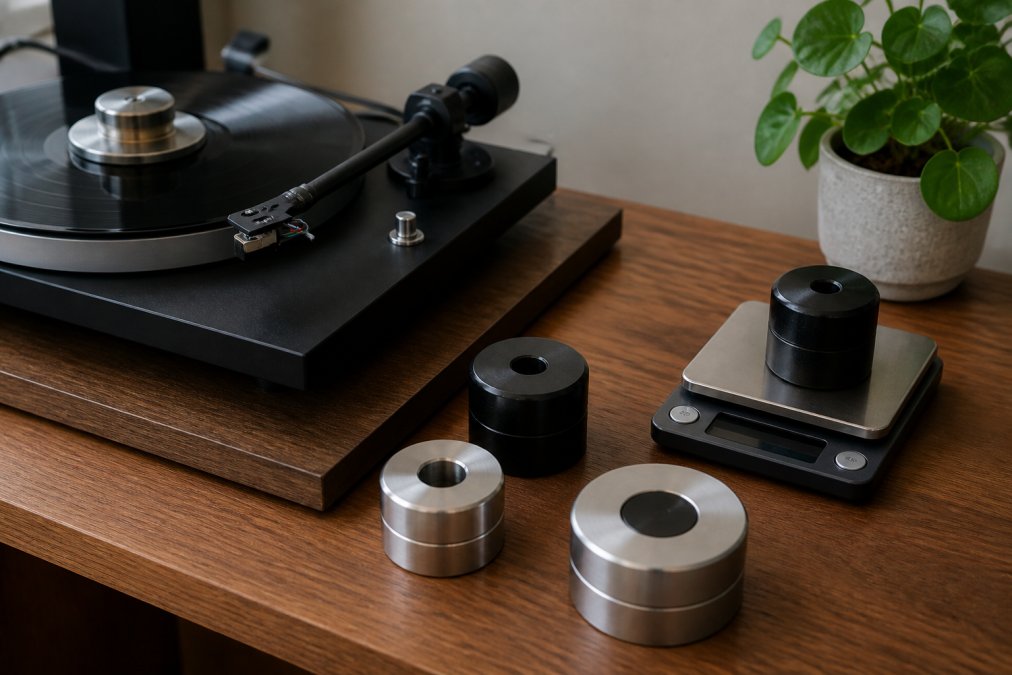
If you have a budget to improve an existing system, a common pattern involves allocating funds to components like a new cartridge or phono stage for vinyl, a dedicated streamer or DAC for digital playback, and speaker positioning and basic room treatment. It's often wise to hold back some budget for future adjustments once you've lived with the initial changes.
That last point matters.
When to upgrade the amplifier
Change the amplifier when you can hear it running out of headroom, usually as a hardening of the treble or a loss of composure during complex passages, or when you've moved to speakers that genuinely need more current. If neither applies, the amplifier is probably not your bottleneck.
When to stop
There is a point where further upgrades yield diminishing returns. A specialist dealer should be willing to provide honest advice on optimising your system.
Audiophile Sound Optimization Tips for Any Room
Audiophile sound optimization starts with the room, not the equipment. Most listening spaces have a bass problem, and no amount of money spent on components will fix a room that's fighting itself. The good news is that room problems are measurable, predictable, and often fixable for far less than the cost of a new component.
Why rooms cause problems
Sound behaves as a wave. When a wave meets a boundary, a wall, floor, or ceiling, it reflects. Where reflected waves meet direct waves, they either reinforce or cancel each other. The result is a series of peaks and nulls at specific frequencies, determined by the dimensions of the room.
The three things to fix, in order
1. Speaker placement. This is free and it matters more than any treatment you can buy. Start with the speakers forming an equilateral triangle with your listening position, roughly 2-3 metres apart. Pull them at least 30 cm from the wall behind them, and further if the bass is still thick. Toe them in slightly so the tweeters aim just behind your head.
What actually works, and what doesn't
- A thick rug between you and the speakers. Genuinely effective for taming floor reflections.
- Heavy curtains or bookshelves on the side walls. Useful diffusion and absorption, especially if the shelves are irregularly filled.
- Purpose-made acoustic panels at the first reflection points. Effective, but start with two or four rather than covering the room.
- Bass traps in the corners. The single most effective treatment for boomy bass, because corners are where pressure builds most.
- Foam pyramids on every surface. Usually a waste of money. They absorb high frequencies, which are rarely the problem, and leave the bass untouched.
A note on power and cabling
Clean mains supply supports better signal integrity, but the effect is far smaller than room acoustics. A dedicated mains spur or a quality distribution block is worth considering once the room is sorted, not before. The same applies to cables and interconnects: they refine a good system rather than repair a bad one.
How to know it's working
Play a track with a simple, well-recorded bass line and walk around the room. If the bass is even and tuneful in most seats, the room is behaving. If it booms in one corner and disappears in another, you still have work to do. A modest setup in a well-sorted room will outperform an expensive one in a bare box, and the difference is usually obvious within a few minutes of listening.
Digital vs Analogue: Matching Your Listening Habits to the Right Setup
The right setup depends on how you actually listen, not on which format is theoretically superior. If you stream most of your music, a digital front end makes sense. If you're a vinyl collector, analogue is where your money belongs.
What a Good UK HiFi Store Does Differently
A good UK hifi store treats the sale as the start of a relationship, not the end of a transaction. That means demonstrations, honest advice, and support long after you've paid.
The differences that matter most:
- Bespoke system building. Components chosen to work together, not sold as isolated boxes.
- Plain-English guidance. No jargon, no intimidation, no pressure.
- Ongoing service. Record cleaning, setup help, and advice as your system evolves.
- Access to specialist brands. Rega turntables and high-end audio names you can actually hear first.
Frequently Asked Questions
What are the best UK HiFi brands?
Several British brands have earned strong reputations for high fidelity sound. Rega is well known for turntables and integrated amplifiers, while other British names like Bowers & Wilkins and KEF are respected for speaker systems. The best brand for you depends on your room, your sources, and your budget. A specialist UK HiFi store can demonstrate several options side by side so you hear the difference before you buy.
Why should I visit a specialist HiFi store instead of buying online?
Online listings tell you specifications, but they cannot tell you how a system will sound in your room. A specialist UK HiFi store offers hifi demonstration services, component matching advice, and setup support. You can compare integrated amplifiers, turntables, and speakers in a controlled listening room. That reduces the risk of buying gear that does not work well together, and it helps you get better sound clarity from the equipment you already own.
Is expensive HiFi worth it?
It depends on what you are upgrading from and what you want to improve. Moving from a basic all-in-one system to separate components with better frequency response and lower harmonic distortion can make a clear difference. A specialist store can help you prioritise where to spend first, whether that is a turntable, an integrated amplifier, or speaker cables. You do not need to buy everything at once; a staged upgrade often delivers better value.
How do I know the equipment will sound good in my room?
Room acoustics have a major effect on soundstage and stereo imaging. Before buying, bring photos or measurements of your listening room to a specialist store. Many dealers offer home demonstrations or loan units so you can test equipment in your own space. Simple changes like speaker placement, soft furnishings, and cable routing can improve acoustic performance without new components. Ask about audiophile sound optimization tips during your demo.
Buying high-fidelity audio shouldn't feel like a gamble, and it doesn't have to. The right dealer turns a confusing market into a clear path, matching components to your room and your ears. Chiltern Audio offers real-world hifi demonstrations, bespoke system building, expert guidance on Rega turntables, and a record cleaning service to keep your vinyl in top shape. Get started with Chiltern Audio and build a system that actually sounds right in your space.