 comparison
Record Player for Vinyl: Best Picks and Setup Guide
Last Updated: October 22, 2026
Quick Summary
A record player for vinyl needs a phono preamp, an amplifier, and speakers to work, plus a stylus, platter mat, and a stable surface. Beginners should pick a deck with a built-in phono stage and a factory-fitted cartridge, like the Pro-Ject Primary E. Expect to spend 40-50% of your budget on the turntable and the rest on amplification and speakers.
- A complete starter system costs about £300-£400 with a built-in phono stage and powered speakers.
- Skipping the phono preamp is the most common beginner mistake and makes playback sound thin and quiet.
- Setting up a turntable takes about 30 minutes across four steps, starting with levelling the deck.
- Replace the stylus after roughly 500 to 1,000 hours of play, or sooner if you hear distortion.
- Belt drive suits home listening, while direct drive wins for DJ use and heavy use.
Table of Contents
- What You Need Beyond the Record Player
- The Best Record Player for Beginners
- Belt Drive vs Direct Drive Turntable: Which Suits You?
- Choosing a Turntable with Speakers Built In
- How to Set Up a Turntable at Home
- Models Worth Considering in 2026
- Long-Term Ownership: Stylus Care and Running Costs
- Conclusion
- Frequently Asked Questions
What You Need Beyond the Record Player
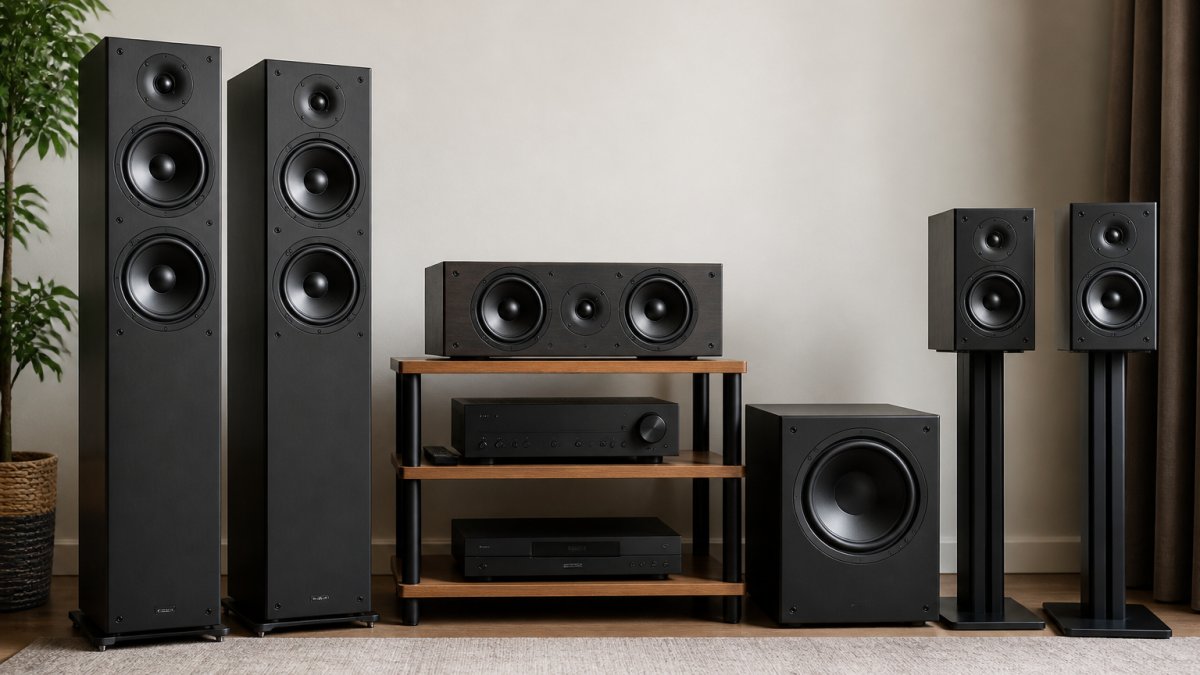
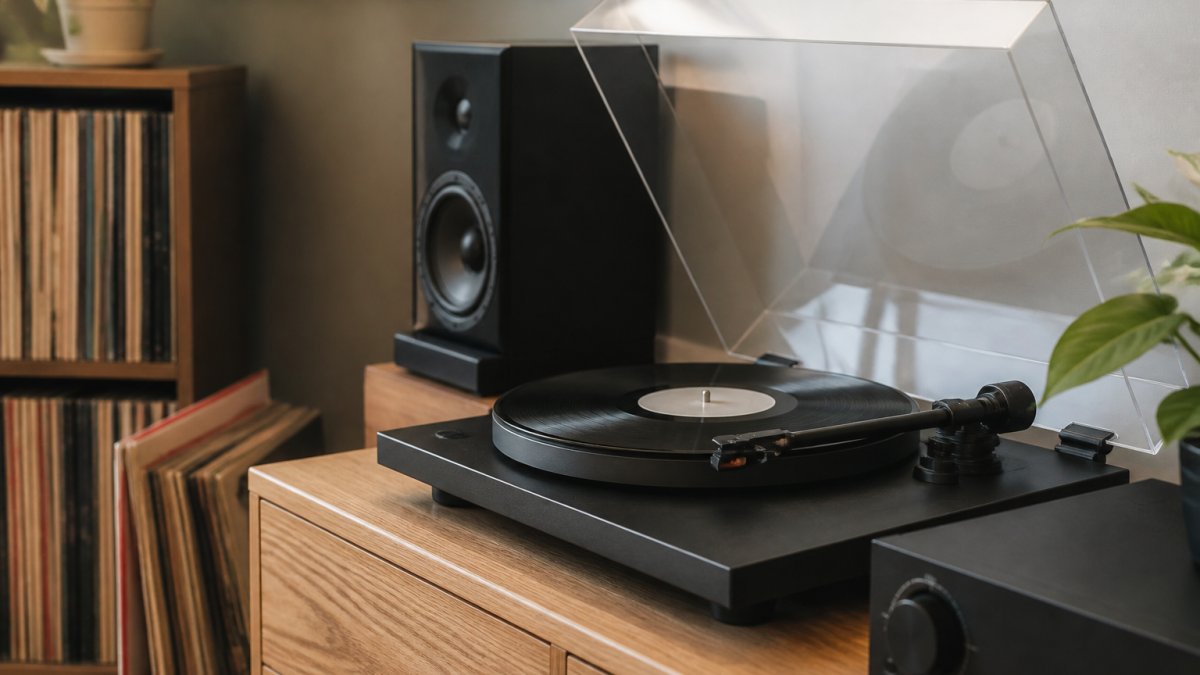
A record player for vinyl is only one part of a working hi-fi system. You also need a phono preamp, an amplifier, and speakers, plus a stylus, a platter mat, and somewhere stable to put it all. That surprises a lot of first-time buyers.
Here is the honest breakdown of each component and what it does:
- Phono preamp, boosts the tiny signal from the cartridge to a level the amplifier can use. Some turntables and amps have one built in.
- Amplifier, powers the speakers. An integrated amp handles both preamp and power stages.
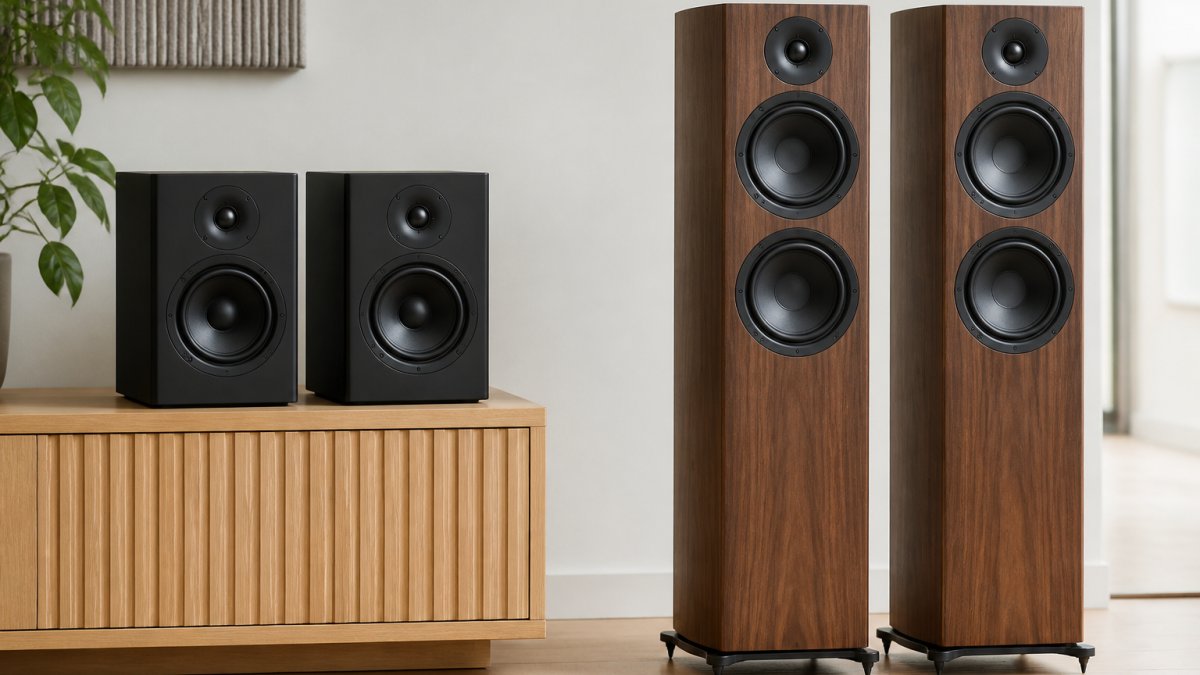
- Speakers, the single biggest factor in sound quality. Spend here before you spend on cables.
- Stylus and cartridge, usually included, but a replaceable stylus is a long-term must.
Three complete starter setups, priced in GBP
Rather than quote a turntable in isolation, here is what a working system actually costs.
Setup 1, Minimum viable (about £300-£400 total)
- Turntable with built-in phono stage: Pro-Ject Primary E, around £159
- Powered speakers with a line input: a compact pair such as the Edifier R1280T, around £100-£130
- No separate amplifier or preamp needed
- This is the cheapest path to decent analogue sound and suits a small flat or a secondary room.
Setup 2, Separates starter (about £550-£750 total)
- Turntable: Audio-Technica AT-LP120XUSB, around £249, with a built-in phono stage and USB output
- Integrated amplifier: a compact model such as the Cambridge Audio AXA35, around £199
- Standmount speakers: a pair such as the Q Acoustics 3020i, around £199
- Cabling: around £30-£50
Setup 3, Long-term build (about £1,000+ total)
- Turntable: Rega Planar 3 RS Edition, price on application at Chiltern Audio
- Separate phono stage: around £100-£200
- Integrated amplifier: around £400-£600
- Standmount or floorstanding speakers: around £400-£800
The compatibility decision tree
Before you buy anything, answer three questions in order:
- Do your speakers have their own amplifier? If yes (powered or active speakers), you do not need a separate amplifier. You only need a turntable with a built-in phono stage, or a turntable plus a standalone phono preamp.
- Does your amplifier have a phono input? If yes, you do not need a separate phono preamp. If it only has line-level inputs (CD, aux, tape), you do.
- Do you already own a soundbar or powered speakers with a line input? Then a turntable with a built-in phono stage is the cheapest route to decent analogue sound without buying an amplifier.
Matching the player to how you actually listen
- Flat or apartment, casual listening: an all-in-one or Setup 1. Keep the footprint small and accept the compromise.
- Existing hi-fi system with a phono input: buy the best deck your budget allows and put the savings into a better cartridge.
- Headphone listening: choose an amplifier with a headphone output, or a turntable with a built-in headphone amp, so you are not dependent on speakers.
- Portability: a portable deck with built-in speakers is the only realistic option, but expect it to be a compromise on sound quality.
What the total really looks like
A common pattern is that buyers spend 40-50% of their total budget on the turntable and the rest on amplification and speakers. If you invert that, spending most of the budget on the deck and pairing it with cheap powered speakers, you will hear the speakers, not the deck. Balance matters more than any single component.
The Best Record Player for Beginners
The best record player for beginners is one with a built-in phono stage, a factory-fitted cartridge, and simple speed switching.
The Pro-Ject Primary E is a strong starting point. What Hi-Fi?'s 2026 turntable guide names it the best budget turntable, and it is award-winning.
If you want features over minimalism, the Audio-Technica AT-LP120XUSB is a direct-drive option highlighted by Louder as a feature-rich budget pick.
A common mistake is buying the cheapest deck you can find, then pairing it with speakers that cost three times as much. Balance matters more than any single component.
Belt Drive vs Direct Drive Turntable: Which Suits You?
Belt drive vs direct drive turntable is really a question about priorities. Belt drive decouples the motor from the platter, which usually means a quieter background and better value.
| Feature | Belt Drive | Direct Drive |
|---|---|---|
| Background noise | Lower | Slightly higher |
| Start-up speed | Slower | Instant |
| Speed accuracy | Good | Excellent |
| Best for | Home listening | DJ use, heavy use |
| Typical cost | Lower | Higher |
For most listeners playing vinyl records at home, belt drive is the sensible choice. Direct drive wins if you cue records constantly or want minimal maintenance. Neither is "better" in absolute terms.
Choosing a Turntable with Speakers Built In
A turntable with speakers built in is the fastest route into vinyl, and the weakest one for sound quality. The speakers sit inches from the stylus, so vibration feeds straight back into the cartridge.
That said, they have a place. If you live in a small flat, want one box, and mainly play records casually, an all-in-one is fine. Just go in with clear expectations.
For anyone serious about audio quality, buy separates. A modest belt-drive deck, a compact integrated amplifier, and a pair of standmount speakers will outperform any all-in-one at a similar total outlay.
How to Set Up a Turntable at Home
Setting up a turntable takes about 30 minutes and four steps. Get these right and you avoid the two problems that ruin most first setups: bad tracking and uneven speed.
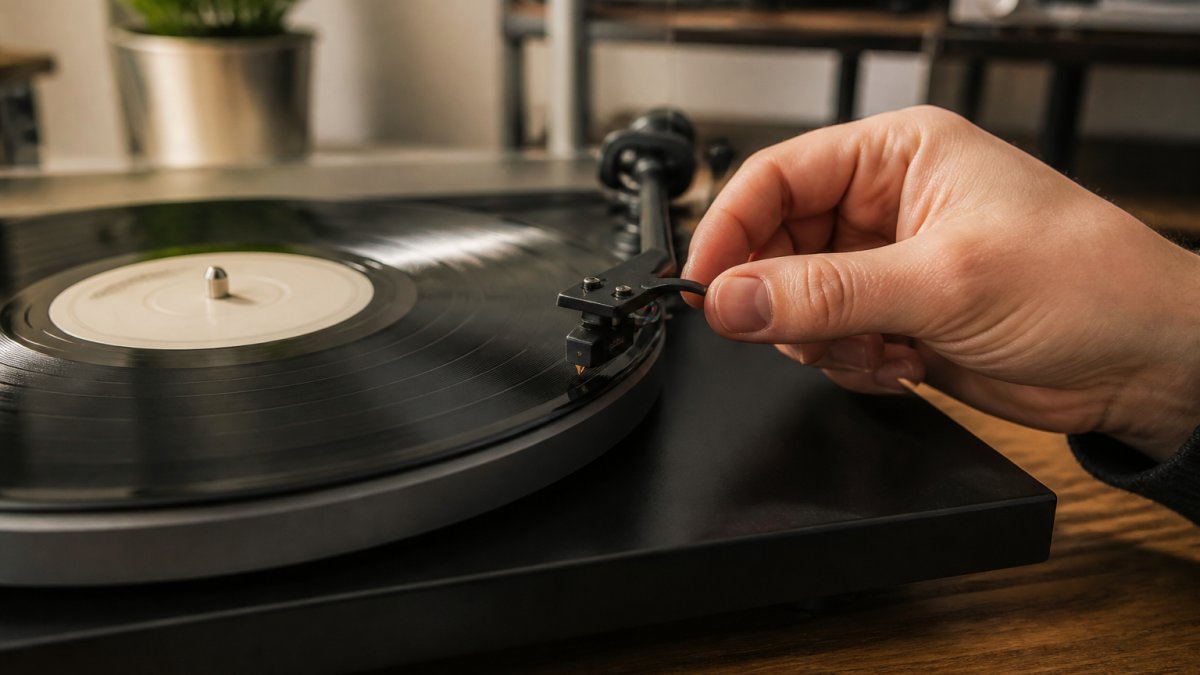
- Level the deck. Use a spirit level. A platter that is not level causes uneven tracking force and premature stylus wear.
- Balance the tonearm. Set tracking force to the cartridge maker's recommended figure, usually between 1.5g and 2.5g.
- Set anti-skate. Match it to the tracking force as a starting point, then adjust by ear if you hear distortion.
- Check playback speed. Use a strobe or a phone app. Belt-drive decks should hold 33⅓ RPM and 45 RPM steadily.
Keep the deck away from speakers and on a solid shelf. Feedback through the plinth is the usual culprit when bass sounds muddy.
Models Worth Considering in 2026
Three models stand out in 2026 for different reasons, and we would happily demonstrate any of them side by side. To make the comparison useful rather than a list, we score every deck against the same five criteria: sound, setup, build, features, and value.
How we compare
- Sound, background noise, speed stability, and how well the deck tracks difficult passages.
- Setup, how long it takes to get running, and whether a phono stage is built in.
- Build, plinth rigidity, tonearm quality, and how well it resists feedback.
- Features, speed switching, USB, Bluetooth, and cartridge replaceability.
- Value, what you get for the price relative to the alternatives.
The shortlist
Rega Planar 3 RS Edition, best overall
- Drive: belt
- Phono stage: not built in
- Cartridge: factory-fitted, replaceable
- Price: on application at Chiltern Audio
- The Rega Planar 3 RS Edition was named best overall turntable in What Hi-Fi?'s 2026 guide. It is the pick for listeners who want a long-term deck and are prepared to build a system around it.
Pro-Ject Primary E, best value for beginners
- Drive: belt
- Phono stage: not built in
- Cartridge: factory-fitted, replaceable
- What Hi-Fi?'s 2026 turntable guide names it the best budget turntable, and it is award-winning.
Audio-Technica AT-LP120XUSB, best feature set under £300
- Drive: direct
- Phono stage: built in
- Cartridge: factory-fitted, replaceable
- It is a direct-drive option highlighted by Louder as a feature-rich budget pick.
Budget and direct-drive options
If budget is the deciding factor, the Primary E is our recommendation. If you want direct drive without stretching to premium territory, the AT-LP120XUSB is the obvious choice. The Technics SL-50C also appears in a 2026 buyer's guide alongside Rega and Clearaudio models, worth a listen if you are comparing.
What the scores mean in practice
A deck that scores 5/5 on sound but 2/5 on setup is not a bad deck, it is a deck for someone who has already built a system. A deck that scores 5/5 on features but 3/5 on sound is for someone who values convenience over the last word in fidelity. Match the score profile to your priorities rather than buying on the headline recommendation alone.
Long-Term Ownership: Stylus Care and Running Costs
Running costs for a record player are modest but real.
Replace the stylus after roughly 500 to 1,000 hours of play, or sooner if you hear sibilance or distortion.
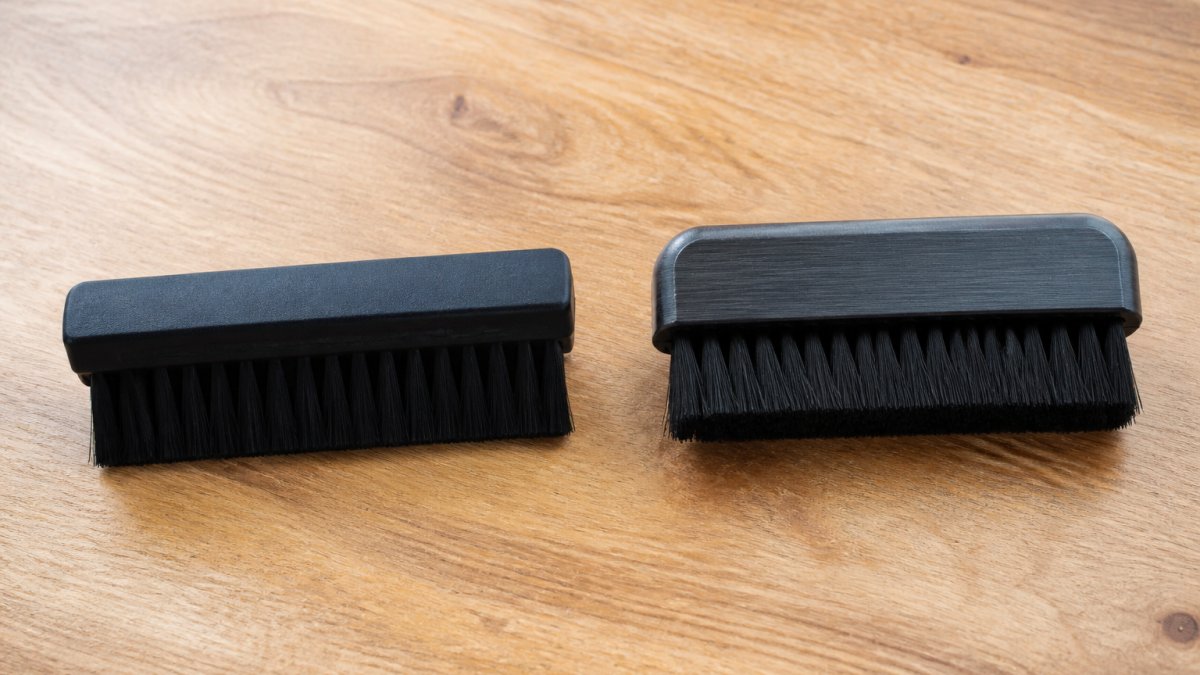
Beyond the stylus, budget for occasional belt replacement on belt-drive decks and cleaning fluids.
None of this is expensive. It is just easy to overlook, and a worn stylus damages records permanently.
Conclusion
Building a vinyl setup asks you to think past the deck itself, and that is where most buyers get stuck. Matching a record player to the right amplifier and speakers is the difference between a system that sings and one that never quite sounds right.
That matching is what we do at Chiltern Audio. We offer real-world hifi demonstrations, bespoke system building, and expert guidance on Rega turntables, plus a record cleaning service to keep your collection in shape.
Frequently Asked Questions
Do record players need speakers?
Most record players need external speakers, and many also need an amplifier and a phono preamp between the deck and the speakers. Some models include a built-in phono stage, so they can connect straight to powered speakers or an amp with a line input. All-in-one designs with built-in speakers exist, but they usually limit sound quality and upgradeability. Before buying a record player for vinyl, check which of these parts are included so you know the full system cost.
Do I need a preamp for a record player?
You need a phono preamp if your amplifier or speakers lack a dedicated phono input. The preamp boosts the very low signal from the cartridge and applies the RIAA equalisation curve, so without one the sound will be thin and quiet. Many modern turntables, including several belt drive models, have a preamp built in that you can switch on or off. If you plan to upgrade later, a separate preamp gives you more flexibility.
What is the difference between a record player and a turntable?
The terms are often used interchangeably, but a turntable strictly refers to the deck, platter, tonearm and cartridge, while a record player can mean a complete unit with built-in speakers or a preamp. Audiophile buyers usually mean the deck itself when they say turntable. If you already own an amplifier and speakers, a standalone turntable is the better route. If you are starting from scratch, an all-in-one record player is simpler but less upgradeable.
How much should I pay for a vinyl record player?
Spending more generally buys better speed accuracy, a sturdier platter and a higher-quality cartridge, but the right figure depends on your existing kit. Set a budget for the whole system, not just the deck, because speakers, an amplifier and a preamp may be needed too. Entry-level decks are widely available, and moving up a tier usually brings a replaceable stylus and better build quality. Ask Chiltern Audio for current pricing rather than relying on online listings.