 blog
Audiophile Sound Systems: How to Build Yours in 2026
Table of Contents
- What Makes an Audiophile Sound System Different
- How to Build a Hi-Fi System: Matching Components That Work Together
- Best Hi-Fi Systems by Budget Tier and Use Case
- Hi-Fi Speakers: Bookshelf, Standmount and Floorstanding Explained
- Stereo Amplifiers: What Matters Beyond the Wattage Figure
- Room Acoustics and Speaker Placement for Real Listening Spaces
- Turntables, Streaming and Digital Sources in an Audiophile Setup
- Conclusion
- Frequently Asked Questions
Last Updated: October 20, 2026
What Makes an Audiophile Sound System Different
An audiophile sound system is a carefully matched set of components, source, amplification and speakers, chosen to reproduce recordings with as much accuracy and realism as the original performance. The difference from a supermarket all-in-one is not volume.
Here at Chiltern Audio, we hear the same thing from first-time buyers every week: they have spent money, yet the music still sounds flat. Usually the problem is not the gear. It is the matching.
Most people assume a bigger price tag means better sound. It doesn't.
Below, we explain how to build audiophile sound systems properly, matched by budget, room and use case, so you spend once and spend well.
How to Build a Hi-Fi System: Matching Components That Work Together
A hi-fi system works when each component's electrical and acoustic characteristics suit the next. Get the source, amplifier and speakers pulling in the same direction and the whole setup sounds greater than its parts.
The mistake we see most often is buying speakers first, then an amplifier that cannot drive them. It is an easy trap. Speakers are the fun purchase, the visible one, and the one a friend will recommend. But the amplifier has to control those speakers, and some designs demand far more current than a cheap amp can supply.
Source, Amplifier, Speakers: Getting the Chain Right
Think of the chain in order. The source reads the recording. The amplifier boosts that signal with enough control to move the speaker cones. The speakers turn electrical energy into sound in your room.
Weak links are cumulative. A superb turntable feeding a poor phono stage still sounds poor. A capable amplifier driving speakers it cannot control will sound strained at volume.
Our advice: decide your source and speakers together, then choose the amplifier that sits comfortably between them.
Compatibility Checks Before You Buy
Run these checks before any purchase:
- Sensitivity and power: low-sensitivity speakers need more amplifier power to reach a given volume.
- Impedance: speakers that dip to low impedance demand an amplifier rated to handle it.
- Phono input: a turntable needs a phono stage, either built into the amplifier or separate.
- Inputs and connectivity: count what you actually use, streaming, CD, TV, then check the amplifier has it.
- Physical fit: floorstanding speakers need floor space and clearance from walls.
Best Hi-Fi Systems by Budget Tier and Use Case
The best hi-fi system is the one matched to your room and listening habits, not the most expensive one you can afford. To make that practical, we group complete systems into three realistic budget tiers, each with a total cost that includes the parts most guides leave out: stands, cables, a phono stage if you need one, and a source.
All prices below are indicative UK retail figures in GBP and are intended as planning guides rather than quotes. Ask us for current pricing before you commit.
Entry tier: £800-£1,500 total
A first audiophile system should prioritise a clean source and well-matched amplification over exotic speakers. A common pattern is a compact integrated amplifier with built-in streaming and a phono stage, paired with standmount speakers on dedicated stands.
- Amplifier: a compact integrated with streaming and phono, around £400-£700
- Speakers: standmounts around £250-£500
- Stands: £80-£150
- Cables and interconnects: £40-£100
- Source: your existing phone or laptop, or a turntable around £150-£300
This tier suits rooms up to roughly 15 square metres. The upgrade path is clear: add a better turntable or cartridge first, then move to larger standmounts when the room allows.
Mid tier: £2,500-£5,000 total
This is where most listeners settle, and where the jump in realism is most obvious. Separates give you more control over matching, and floorstanding speakers or large standmounts begin to fill a main listening room properly.
- Amplifier: a dedicated integrated amplifier around £800-£1,800
- Speakers: floorstanders or large standmounts around £1,000-£2,500
- Source: a turntable around £400-£800, or a dedicated streamer around £300-£700
- Phono stage: £150-£400 if not built in
- Cables, stands and isolation: £150-£400
This tier suits rooms of roughly 15-30 square metres. The most effective upgrade is usually the source, followed by room treatment rather than more expensive speakers.
High-end tier: £8,000 and above
Premium amplification, careful source components and speakers chosen for the specific room. Diminishing returns are real here, so demonstrations matter more than reviews.
- Amplifier: £3,000-£8,000
- Speakers: £3,000-£10,000
- Source: turntable and phono stage, or streamer and DAC, £1,500-£5,000
- Cables, isolation and room treatment: £500-£2,000
At this level, the room and its treatment often matter more than the next component upgrade. Budget for acoustic treatment and professional setup as part of the system, not as an afterthought.
| Tier | Typical Total | Best For | First Upgrade |
|---|---|---|---|
| Entry | £800-£1,500 | First system, rooms up to 15 m² | Turntable or cartridge |
| Mid | £2,500-£5,000 | Main listening room, 15-30 m² | Source, then room treatment |
| High-end | £8,000+ | Dedicated listening rooms | Room treatment and setup |
Pricing depends on the components you choose, so check our current ranges or ask us for a quote. We build bespoke systems around real demonstrations rather than guesswork.
Hi-Fi Speakers: Bookshelf, Standmount and Floorstanding Explained
Hi-fi speakers fall into three practical types: bookshelf, standmount and floorstanding. Each suits a different room and a different listener, and the right choice depends more on your space than your budget.
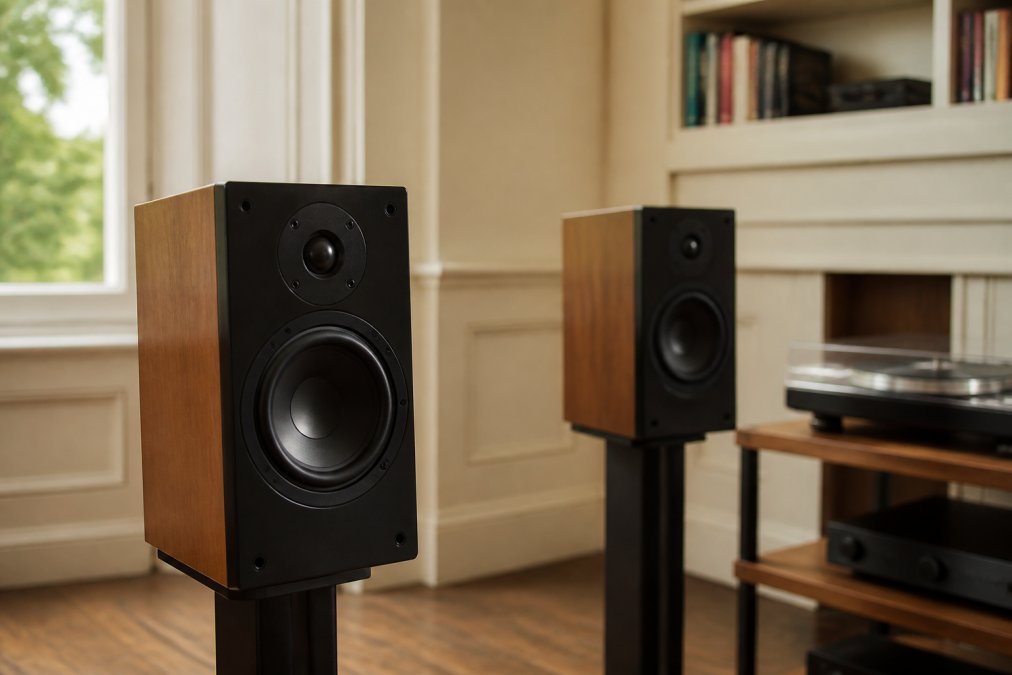
Bookshelf speakers are small and designed to sit on a shelf or desk. They suit tight spaces but usually need a subwoofer for deep bass.
Standmount speakers are similar in size but built for dedicated stands. The stand raises them to ear height and reduces vibration, which improves clarity and soundstage.
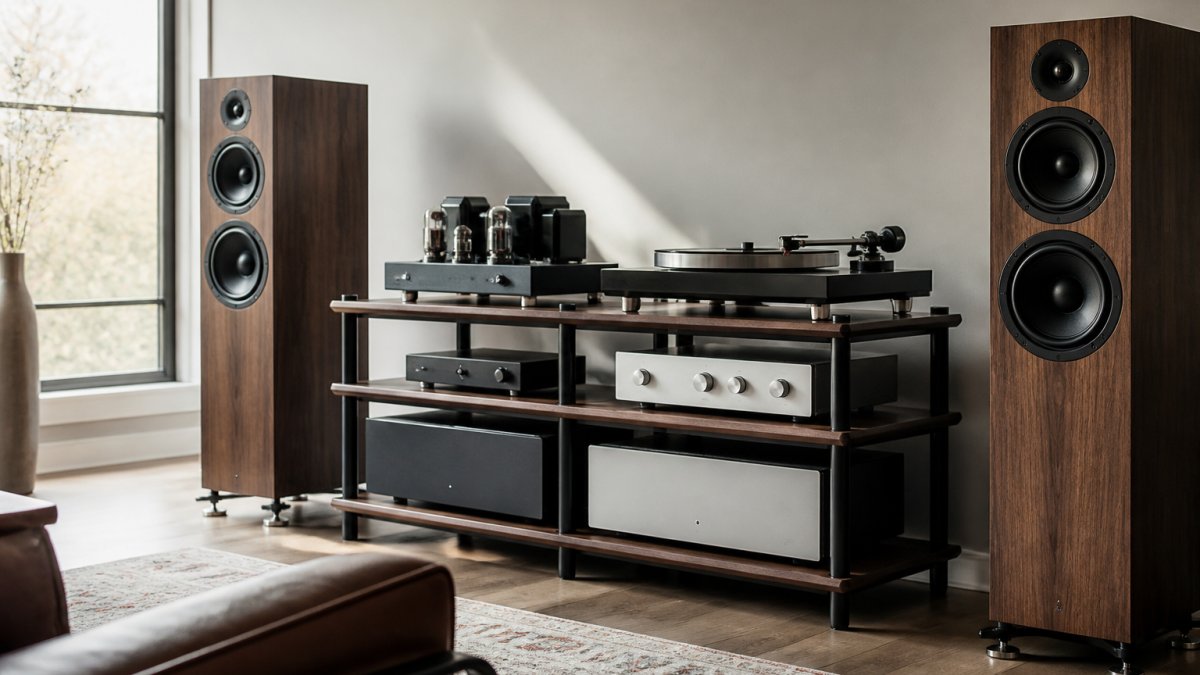
Floorstanding speakers house larger cabinets and drivers, reach lower without a subwoofer, and move more air. They need floor space and some distance from walls. Examples include the Monitor Audio Bronze 200 and the Fyne Audio F302, around £600-£1,500 a pair.
Which Speaker Type Suits Your Room
Small rooms, up to about 15 square metres, reward standmounts on stands. They image well and avoid the bass boom that floorstanders can produce close to walls.
Medium rooms, roughly 15-30 square metres, can take either large standmounts or modest floorstanders. If the room has a lot of glass or hard flooring, standmounts plus a small subwoofer often integrate better than floorstanders.
Larger rooms, above 30 square metres, give floorstanding speakers room to breathe. If you want room-filling sound at low volume, a sensitive floorstander driven by a modest amplifier often beats a small speaker pushed hard.
What most guides miss: the speaker-room match matters more than the speaker itself. A brilliant speaker in the wrong room sounds worse than a good speaker in the right one.
If your room is awkward, tell us. We match components to real spaces, not ideal ones, so you are not buying gear that fights your room.
Stereo Amplifiers: What Matters Beyond the Wattage Figure
Wattage tells you less than the marketing suggests. What matters is how much current an amplifier can deliver and how stable it is into difficult loads.
Two amplifiers rated at the same watts per channel can behave very differently. One may double its output as impedance halves, a sign of a solid power supply. Another may run out of current and sound compressed when the music gets demanding.
Look for:
- Power output into 8 and 4 ohms, and whether it doubles
- A quality phono input if you play vinyl
- Enough inputs for your sources, including streaming and TV
- Build quality and heat management for long listening sessions
Room Acoustics and Speaker Placement for Real Listening Spaces
Room acoustics shape your sound more than any single component. Hard floors, bare walls and glass create reflections that smear detail and blur the soundstage.
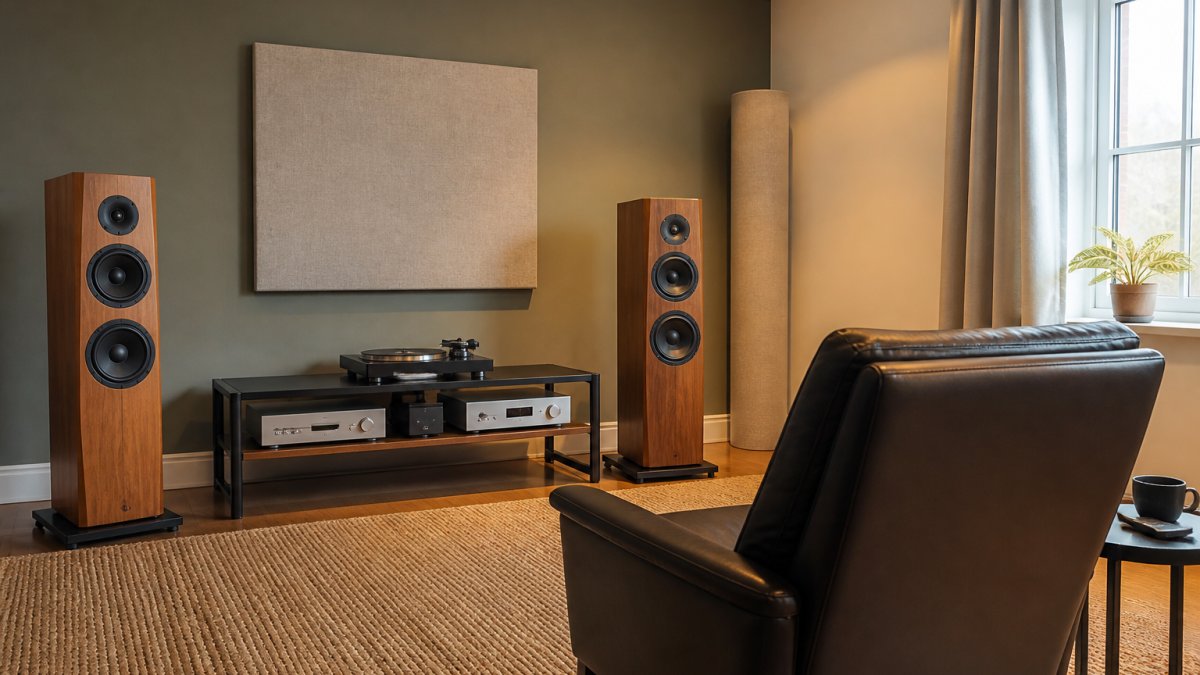
Start with placement. Pull speakers away from the wall, angle them toward the listening position, and keep the space behind them clear. Symmetry helps: equal distances from side walls keep the soundstage centred.
Soft furnishings, rugs and bookshelves absorb reflections. You do not need a treated studio. A rug, curtains and a sofa do a lot of the work.
If your room is awkward, tell us. We match components to real spaces, not ideal ones, so you are not buying gear that fights your room.
Turntables, Streaming and Digital Sources in an Audiophile Setup
Your source sets the ceiling on sound quality. A great amplifier cannot recover detail the source never delivered.
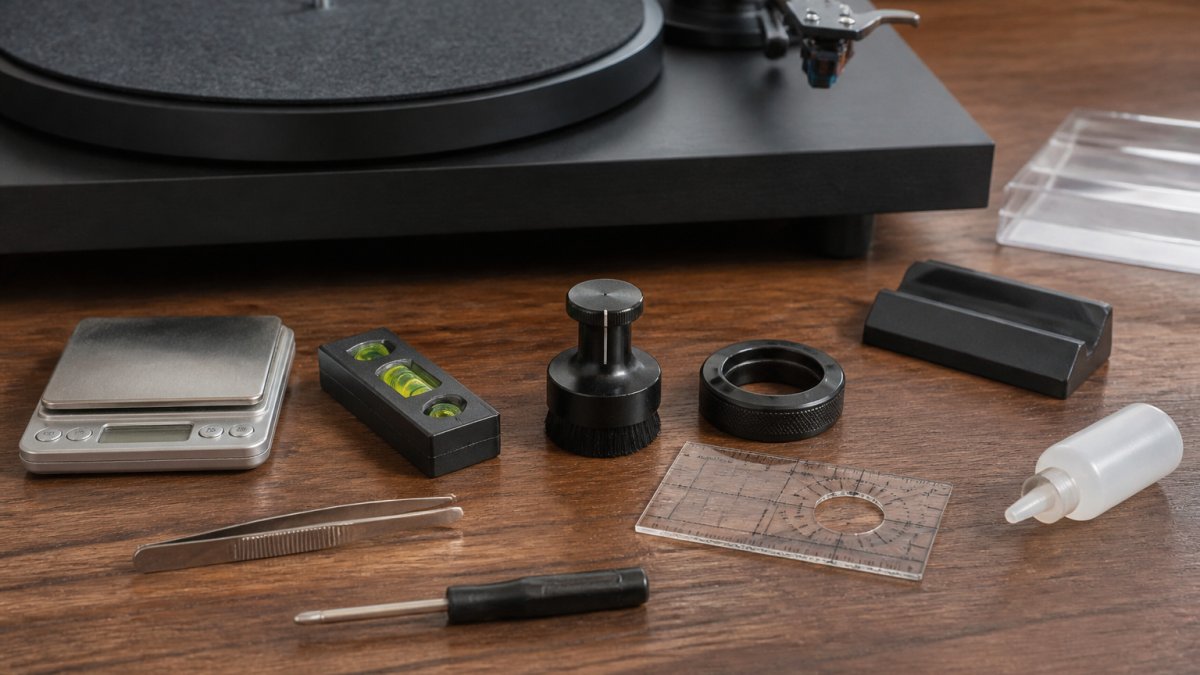
For vinyl playback, the turntable, cartridge and phono stage form their own chain. Setup matters: cartridge alignment, tracking force and leveling all affect what you hear. A Rega turntable is a popular starting point, and we help with setup and calibration so it performs as intended.
Digital sources have their own demands. Streaming quality depends on the service, the streamer and the connection. CD playback remains a clean, fuss-free option.
The practical rule: spend on the source before chasing upgrades downstream. It is the foundation everything else is built on.
Conclusion
Building audiophile sound systems is a matching exercise, not a spending contest. Get the source, amplifier and speakers working together, match them to your room, and the realism follows.
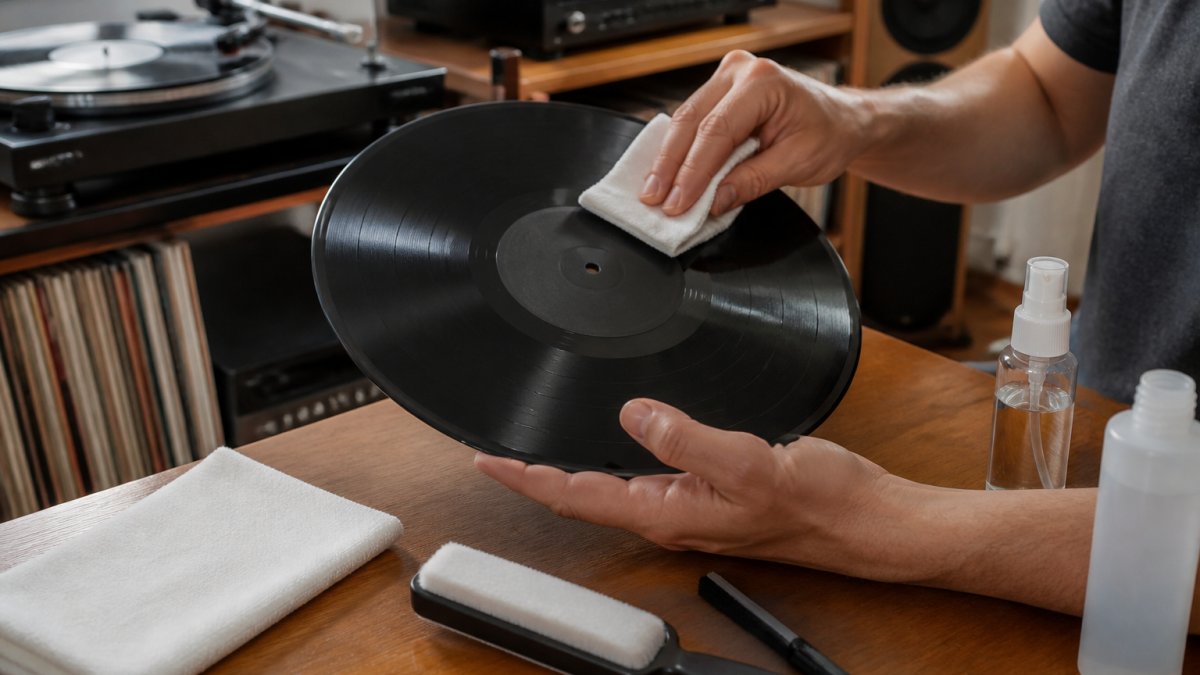
If you are unsure where to start, that is exactly what we are here for. Chiltern Audio offers real-world demonstrations, bespoke system building and expert guidance on hi-fi systems and Rega turntables, plus a record cleaning service to keep your vinyl sounding its best.
Get started with Chiltern Audio and hear the difference a properly matched system makes in your own room.
Frequently Asked Questions
What components do you need for an audiophile sound system?
A basic audiophile sound systems setup needs four things: a source, an amplifier, a pair of speakers and the cables to connect them. The source can be a turntable, a CD player or a streamer. The amplifier needs enough power output for your speakers and the right inputs, such as a phono stage for vinyl or HDMI eARC if the system doubles as a home cinema. Add stands or isolation for the speakers and you have a complete chain. Most people upgrade one part at a time rather than buying everything at once.
How do you choose hi-fi speakers for your room?
Start with room size and where the speakers can physically sit. Small rooms usually suit bookshelf or standmount hi-fi speakers placed on stands, while larger rooms give floorstanding speakers space to breathe. Keep speakers clear of corners and side walls, and aim for a listening position that forms roughly an equal-sided triangle with the two speakers. If the room is bright and reflective, softer furnishings and a rug help. A demonstration with your own music is the most reliable way to judge how a pair will behave before committing.
How much should you spend on a hi-fi system?
There is no fixed figure, but balance matters more than total spend. A common approach is to spread budget fairly evenly across source, amplifier and speakers rather than spending most of it on one component. Spending heavily on speakers while running a weak amplifier leaves performance on the table, and the reverse is also true. Decide your total figure first, then allocate. Chiltern Audio can talk through options at your budget and arrange a demonstration so you hear the difference before buying.
Is a turntable or a streaming system better for audiophile listening?
Both can deliver excellent sound quality; the choice comes down to how you listen. Vinyl playback suits people who enjoy the ritual of records and collecting, and a Rega turntable paired with a phono input on your amplifier is a straightforward entry point. Streaming gives instant access to a huge catalogue and works well as a second source. Many audiophile sound systems run both: a turntable for focused listening and a streamer for background and discovery. Setup and calibration matter more than the format itself.